Custom themes and templates
PHP templates built to your design instead of a heavy multipurpose theme, so pages load faster and the layout holds when your team edits.
Phoenix WordPress Developer
Custom themes, Advanced Custom Fields blocks, plugins, WooCommerce, LearnDash, integrations, and fixes for WordPress sites that need more than a template can do.
TurnKey is a WordPress developer for Phoenix-area businesses that need more than a theme can do: custom PHP templates, Advanced Custom Fields blocks, plugins, WooCommerce and LearnDash work, integrations, and fixes on sites another developer built. Ryan Kee, the owner, writes the code himself. New websites start at $2,500, development on an existing site is quoted on scope, and you own the site and the code.
Scope and price
Development is quoted on scope after TurnKey has looked at the site. The "from" figure is the published starting price for a new website, and the named rows describe the scope of real projects you can open in the portfolio.
Swipe or scroll horizontally to view every column.
| Project type | What is included | Timeline | Price |
|---|---|---|---|
| New feature on an existing WordPress site | Review of the theme, plugins, hosting, and existing custom code; the feature built as a template, an Advanced Custom Fields block, or a small custom plugin; testing; launch; training on how to edit it | Set in the written scope | Quoted on scope |
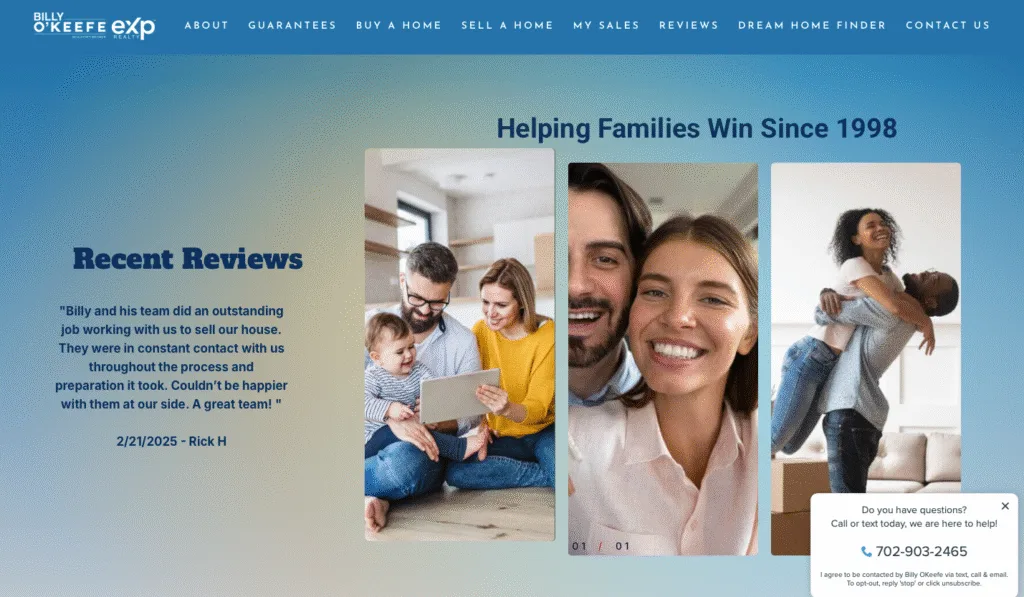
| Custom build from a finished design (Gluch Group) | PHP templates and Advanced Custom Fields blocks built to a design studio's layouts, reusable content blocks, MLS widgets by location, forms, scheduling integration, launch | Set in the proposal | From $2,500, quoted on scope |
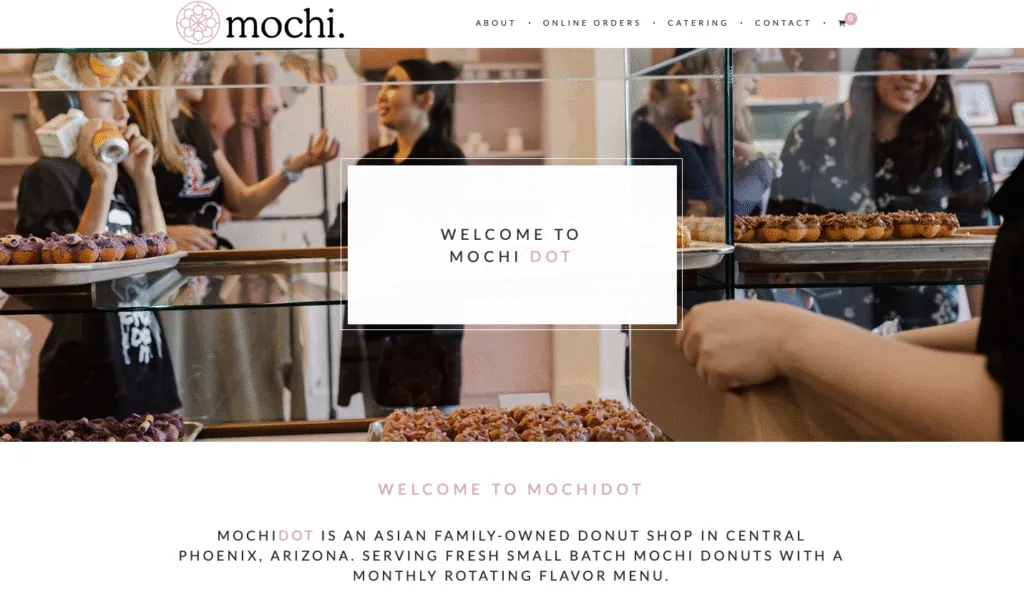
| WooCommerce store or ordering site (MochiDot) | WooCommerce setup, menu and product structure, theme and product-view development, pickup checkout adjustments, payment gateway testing, launch revisions | Longer than 8 weeks; set in the proposal | Quoted on scope |
| Membership or course site | MemberPress or LearnDash setup, lessons and course structure, account and checkout flows, email notifications, testing, support after launch | Longer than 8 weeks; set in the proposal | Quoted on scope |
| Migration to WordPress (Team Barnum, from HubSpot) | Page, image, and blog migration with the existing design preserved, lead forms rebuilt in Gravity Forms, 301 redirects, analytics transfer, hosting setup, DNS launch | Set in the proposal | Quoted on scope |
| Troubleshooting, fixes, and takeover of a site another developer built | Access and code review, plugin and theme cleanup, the specific fixes, a stable baseline, then month-to-month support if you want it | 1 to 3 weeks for cleanup | Quoted on scope |
WordPress is the most widely used content management system, so a site built on it is not tied to one developer. W3Techs, which updates its survey daily, reported on November 16, 2026 that "WordPress is used by 57.5% of all the websites whose content management system we know. This is 38.5% of all websites." Source: W3Techs, Usage statistics of WordPress.
Read the Gluch Group case study · Read the MochiDot case study · Read the Team Barnum migration case study · See the Phoenix website cost guide (2026)
The problem
A WordPress developer writes and maintains the code behind a WordPress site: the theme templates, the content blocks your team edits, the plugins that add features, and the connections to tools like a scheduler, a payment gateway, a CRM, or an MLS feed. A designer decides how the site looks. A developer makes it work, load quickly, and stay editable.
Most development requests are not design problems. A page builder theme has collected plugins until the site is slow. The business needs a feature no plugin does well. A checkout, a course, or a form does something slightly wrong and nobody can say why. Or the developer who built the site has stopped answering.
TurnKey does that work for Phoenix-area businesses. I am Ryan Kee, the owner, working from an office in Tempe, AZ, and I write the code myself, on sites TurnKey built and on WordPress sites built by someone else. The work ranges from one custom feature to a full custom build like the PHP templates and Advanced Custom Fields blocks on Gluch Group.
If you need a whole new website, the web design page is the better starting point, and if you need a healthy site kept updated, that is website support. This page is for the work in between: custom code, new features, integrations, migrations, and fixes.

What Gets Built
Each of these can be a project on its own or part of a larger WordPress website development project. The review decides which ones your site actually needs.
PHP templates built to your design instead of a heavy multipurpose theme, so pages load faster and the layout holds when your team edits.
Reusable content blocks and structured fields, so staff can add pages, listings, team members, or locations without calling a developer.
Structured content for the things your business manages, such as projects, listings, resources, events, and staff, each with its own fields and templates.
A small custom plugin for the feature no maintained plugin does well, written so it survives theme changes and WordPress updates.
Ecommerce product and checkout setup, theme and product-view work, pickup rules, and payment gateway testing before customers depend on the store.
Courses, lessons, quizzes, certificates, gated content, and recurring billing with LearnDash and MemberPress, including changes to an existing course site.
MLS and IDX home search, scheduling tools, lead forms, review feeds, payment gateways, and email notifications, connected and tested end to end.
Moves from HubSpot or another platform, with pages, forms, redirects, and analytics carried over to protect search traffic and lead flow at launch.
Image conversion, plugin reduction, heading and accessibility fixes, and template cleanup, measured before and after with PageSpeed Insights.
How The Code Is Handled
Custom WordPress development goes wrong in familiar ways: changes made directly on the live site, code pasted into a theme that the next update erases, and features only one person understands. TurnKey works the other way. The current site is reviewed before anything is quoted, new code is tested on a staging copy where the hosting provides one, and custom code is kept in version control so every change is recorded and can be rolled back.
On Gluch Group, a Scottsdale real estate team, a separate studio produced the visual design. TurnKey developed it as a custom WordPress build: PHP templates and Advanced Custom Fields blocks made to the studio's layouts, with MLS widgets by location, forms, and scheduling integration, so the team adds pages without a developer. TurnKey has supported the site month to month since.
On MochiDot, a food ordering site, the development work was inside WooCommerce: theme and product-view changes, pickup checkout adjustments, and payment gateway testing before launch. Different projects, same rule: the code belongs to the client and is written so the next developer can follow it.

Client Proof
A development project is only as good as what happens after launch: whether it holds up, and whether someone answers when the business changes.
I would trust TurnKey for any big web project needs... they will have you covered and deliver on time.
We are thrilled with our site. They are always thinking of ways to elevate and make more efficient.
Never once did I have a fear our site was going to go down when we needed it the most... ongoing support has saved us in so many situations.
Selected Work
Each case study lists what TurnKey built, what the client controls, and what happened after launch.
Process
The order matters. Reading the existing site first is what keeps the quote honest and the launch quiet.
You share WordPress and hosting access. TurnKey reads the theme, the plugins, and any custom code, and checks whether a maintained plugin already solves the problem.
You get a scope that says what will be built, what is not included, the timeline, and the cost, before any code is written.
The work is built and tested away from the live site where the hosting allows it, and you review it before launch.
The change goes live, forms and tracking are checked, and you get training on what was built and how to edit it. Month-to-month support is available if you want the code kept current.
FAQ
It depends on whether the work is a new build or a change to an existing site. New custom WordPress websites start at $2,500 and are quoted on scope after a short call. Development on an existing site, such as a new feature, an integration, or a set of fixes, is quoted on scope after TurnKey reviews the theme, the plugins, and the hosting, so the price reflects the real condition of the code. The cost guide below shows where Phoenix website budgets usually land.
Yes. Existing WordPress sites are welcome. The first step is a short audit of the theme, the plugins, the hosting, and any custom code, so the quote covers what is actually there. If the site needs cleanup before new work is safe, that cleanup is scoped first and named separately.
A designer decides how the site looks and reads: layout, type, color, and the order of the page. A developer writes the code that makes it work: PHP templates, content blocks, plugins, integrations, speed, and security. TurnKey does both on most projects, and does the development alone when a client brings a finished design from its own studio, as Gluch Group did.
Yes. When no existing plugin does the job well, TurnKey writes the feature as a custom template, an Advanced Custom Fields block, or a small custom plugin, so it survives theme changes and WordPress updates. Before any code is written, the review checks whether a maintained plugin already solves the problem, because the cheapest custom code is the code you do not have to own.
Both, depending on the site. When a site already runs on Elementor or another page builder and it is working, TurnKey develops inside it. When speed, editing control, or a custom layout matters more, the build uses PHP templates and Advanced Custom Fields blocks, which is how the Gluch Group site was built.
Related: Read the Gluch Group case study
Usually, and the work is measured. On Gluch Group in 2026, TurnKey converted 39 oversized images to WebP, from about 491 MB to about 103 MB, and on May 12, 2026, PageSpeed Insights mobile Largest Contentful Paint went from 5.6 seconds to 2.9 seconds. The common causes are oversized images, too many plugins loading on every page, and a heavy theme. The review says which ones apply to your site and what there is to optimize first.
Yes. For MochiDot, a food ordering site, the work covered WooCommerce setup, menu and product structure, theme and product-view development, pickup checkout adjustments, and payment gateway testing before launch. TurnKey also works with Shopify when it fits the products and the team better than WooCommerce.
Related: Read the MochiDot case study
Yes. TurnKey sets up and customizes LearnDash for lessons, quizzes, certificates, and student dashboards, and MemberPress for paid memberships, gated content, and recurring billing. These projects are quoted on scope because the account, checkout, and email flows differ on every site.
You do. The finished site, including the custom theme and plugin code written for it, lives in your hosting account, and the domain and the analytics are in your name. TurnKey hands over every login on request, so another WordPress developer could take the site over.
Ryan Kee, the owner. TurnKey is not an agency with an account team, so the person on the discovery call is the person writing and testing the code, and the person you reach when something needs to change.
You can stop there, with the logins and the code in your hands. Many clients move into month-to-month website support so WordPress, the plugins, and the custom code keep getting updated, backed up, and security-checked together. Support has no contract.
Related: Website support and maintenance
A full custom WordPress website usually takes 4 to 8 weeks from kickoff to launch. Ecommerce, membership, and course sites run longer than 8 weeks. Cleanup and fixes on an existing site usually take 1 to 3 weeks, and a single feature is scheduled in the written scope. The timeline guide below walks through three real projects week by week.
Related: How long does it take to build a website in Phoenix? (2026)
For most small businesses that want to own their site and control their SEO, yes. W3Techs reported on November 16, 2026 that WordPress is used by 38.5% of all websites, so plugins, hosting, and WordPress developers are easy to find. It is not always the right call: a simple brochure site with no plans to grow can be cheaper to run on a builder, and the comparison guide below says when TurnKey recommends one.
Related: WordPress vs Wix vs Squarespace for a Phoenix small business (2026)
Most clients are small businesses and nonprofits in the Phoenix metro area: Phoenix, Tempe, Mesa, Scottsdale, Chandler, Gilbert, and Glendale. TurnKey works from an office in Tempe and has also built WordPress sites for clients outside Arizona, including Billy Sells Vegas in Las Vegas.
Next Step
Send the site URL, what it needs to do that it does not do today, and who built it if you know. You will hear back from the person who would write the code.
Ryan Kee replies, usually the same business day.
Not ready for a call? Request a free website and local search check.